 English
  Tiếng Việt
  Japanese
In Vietnam, with its tropical climate—characterized by high temperatures, heavy rainfall, and year-round humidity—the environmental conditions are highly favorable for insects to breed and thrive. Meanwhile, in facilities such as food, pharmaceutical, and medical device manufacturing plants, as well as storage warehouses, hygiene and pest control requirements are extremely strict. This is especially true in areas where the use of chemicals is prohibited, such as cleanrooms, production lines, and raw material zones.
However, in reality, many businesses in Vietnam continue to struggle with effective and sustainable pest control, particularly due to the lack of scientific methods, technical expertise, and experienced personnel in this field.
Understanding these challenges, Quest Vietnam Co., Ltd. introduces “INTEGRATED PEST MANAGEMENT AND CONSULTING SERVICES” — a specialized, systematic solution that applies advanced Japanese pest management methodologies, optimized for the local environment and production conditions in Vietnam.
WHAT IS INTEGRATED PEST MANAGEMENT (IPM)?
Integrated Pest Management (IPM) is a sustainable pest management strategy that combines multiple approaches to comprehensively and effectively control pests and harmful organisms while minimizing the use of chemical pesticides.
This method not only helps reduce negative impacts on the environment, human health, and product quality but also saves long-term costs and ensures stability in production processes.
In addition to comprehensive pest control for factories, our service also provides consultation on preventing contamination caused by insects and foreign matter throughout the production process—from raw materials to finished products. We also implement preventive measures against pest intrusion and provide pest prevention training for factory staff.
The core principles of IPM in Pest Control
-
Prevention over treatment – prioritizing proactive measures rather than reactive ones.
-
Chemical use only when necessary – and always under strict control.
-
Integrated solutions – combining multiple methods for optimal and sustainable results.
-
Employee empowerment – training each factory employee to become a pest management specialist at their own facility, continuously improving pest control processes each year toward the goal of completely eliminating chemical use in production areas.
QUEST VIETNAM – JAPANESE-STANDARD PEST MANAGEMENT EXPERTS
With over 50 years of pest control experience from Taisho Quest Group in Japan, and a team of highly skilled experts in Vietnam, Quest Vietnam proudly stands as a pioneer in providing integrated pest management consulting and implementation services for factories, warehouses, and production facilities with high hygiene and safety requirements.
We deliver tailored solutions for each client and industry, ensuring compliance with both internal standards and international certifications such as HACCP, ISO, AIB, BRC, and FDA.
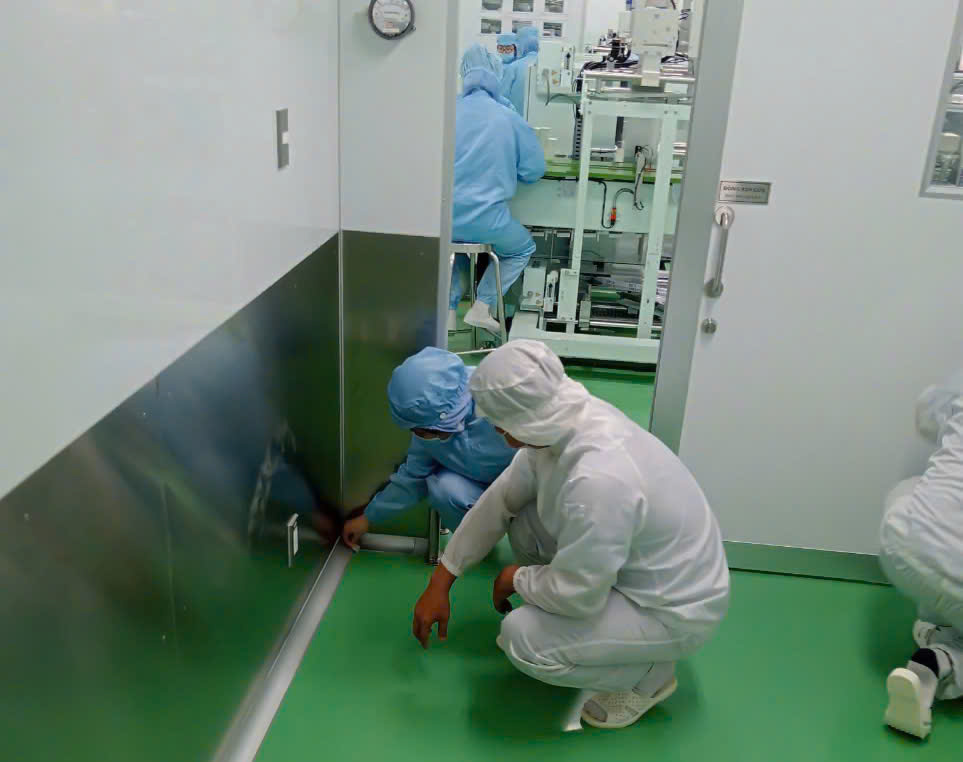
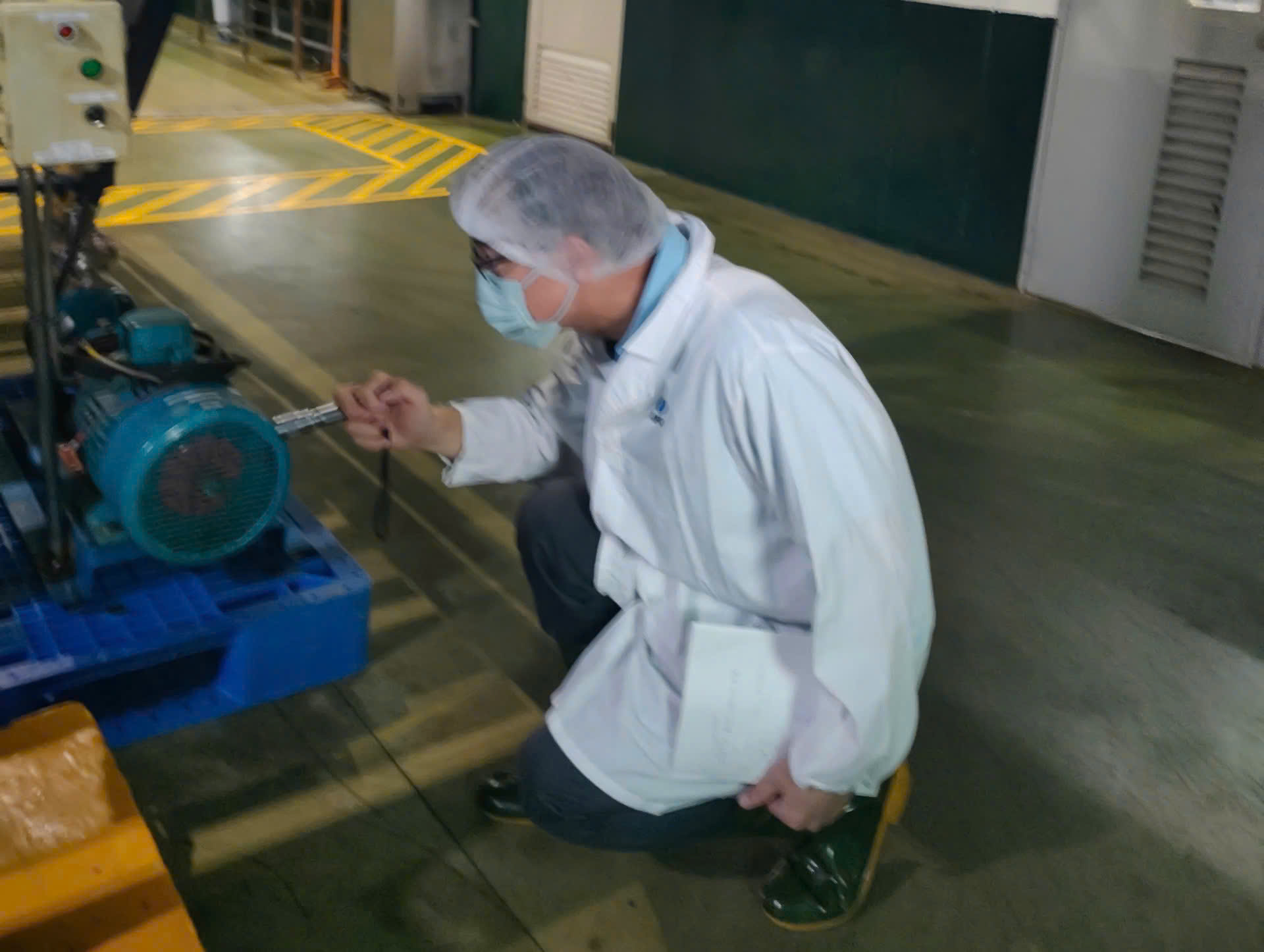
INTEGRATED PEST MANAGEMENT METHODS
🔧 1. Mechanical & Physical Measures
-
Seal gaps at vents, ceilings, floors, and other potential pest entry points.
-
Install insect-proof screens on windows, air curtains at entrances, and air buffer rooms before clean areas.
-
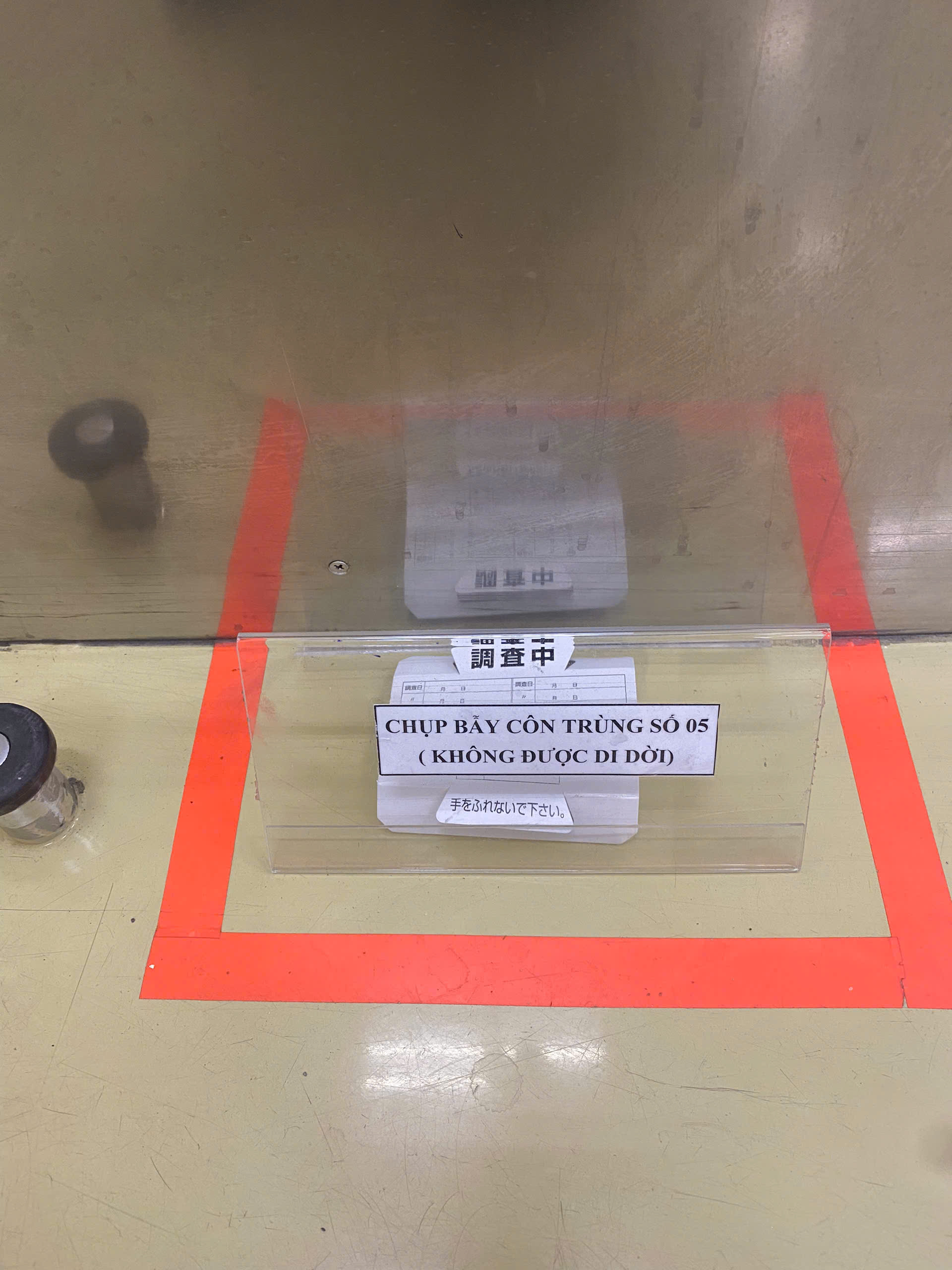
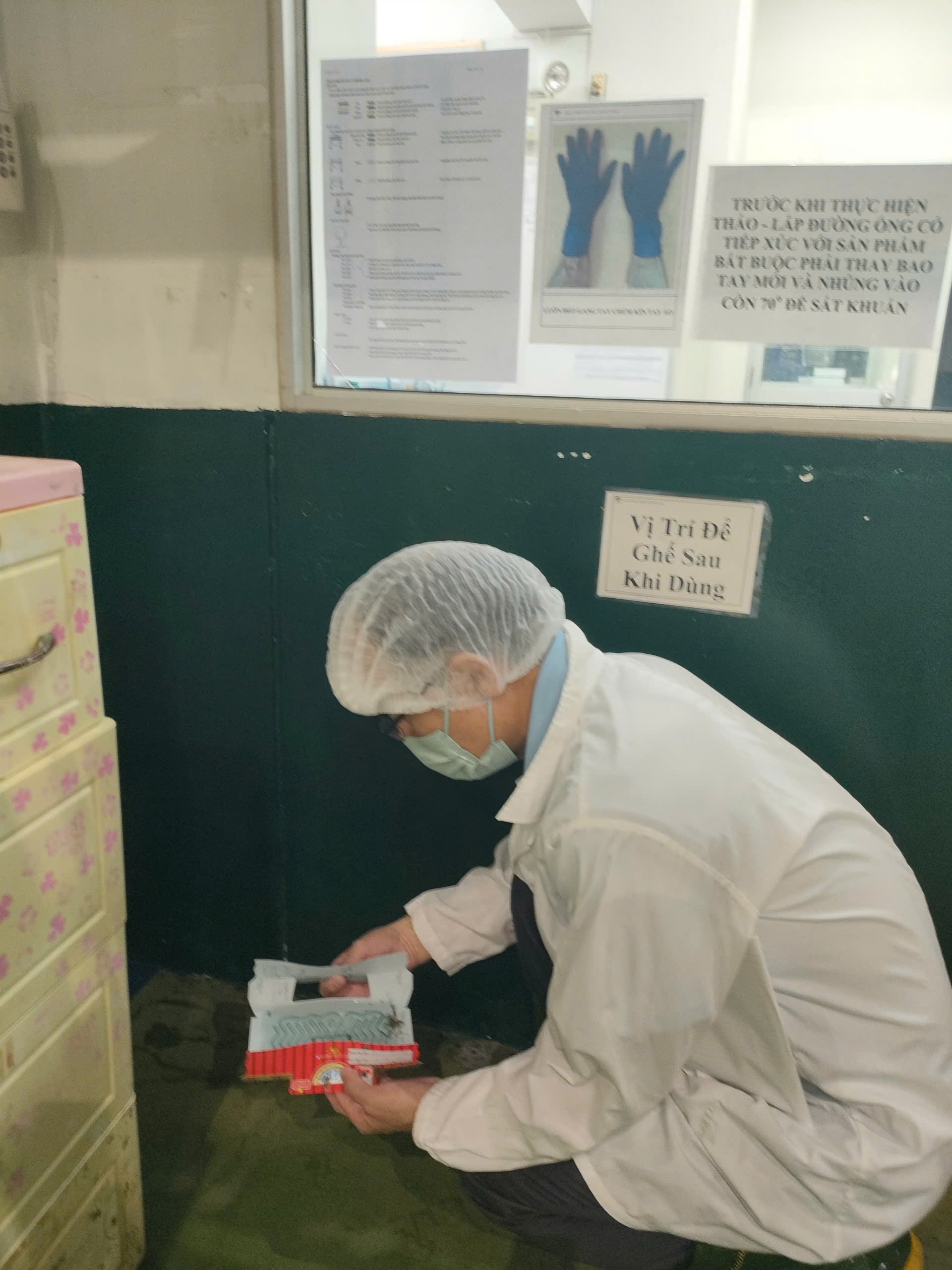
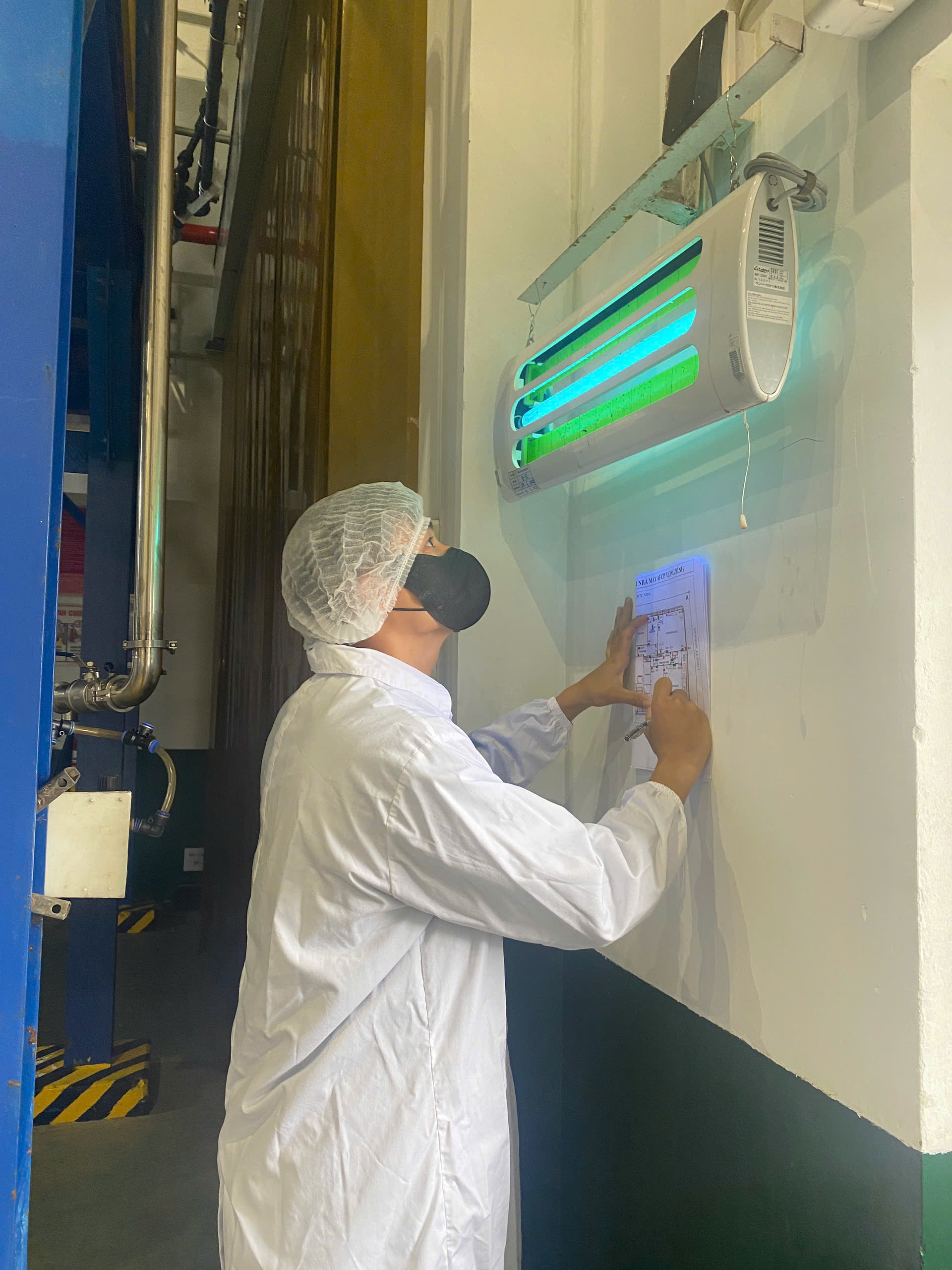
Use insect light traps, environmental monitoring traps, glue boards, and pheromone traps for monitoring and capturing pests.
🧼 2. Sanitation & Environmental Management
-
Identify and advise on high-risk areas for contamination caused by insects or foreign matter (e.g., cafeterias, kitchens, garbage zones, storage areas).
-
Eliminate potential pest shelters and food sources through improved hygiene practices.
🦟 3. Biological Measures
-
Utilize natural predators to control pest populations within acceptable thresholds.
-
Apply pheromone attractants—substances secreted by insects for communication—to lure and capture target pests.
🧪 4. Chemical Measures (Used Only When Necessary)
-
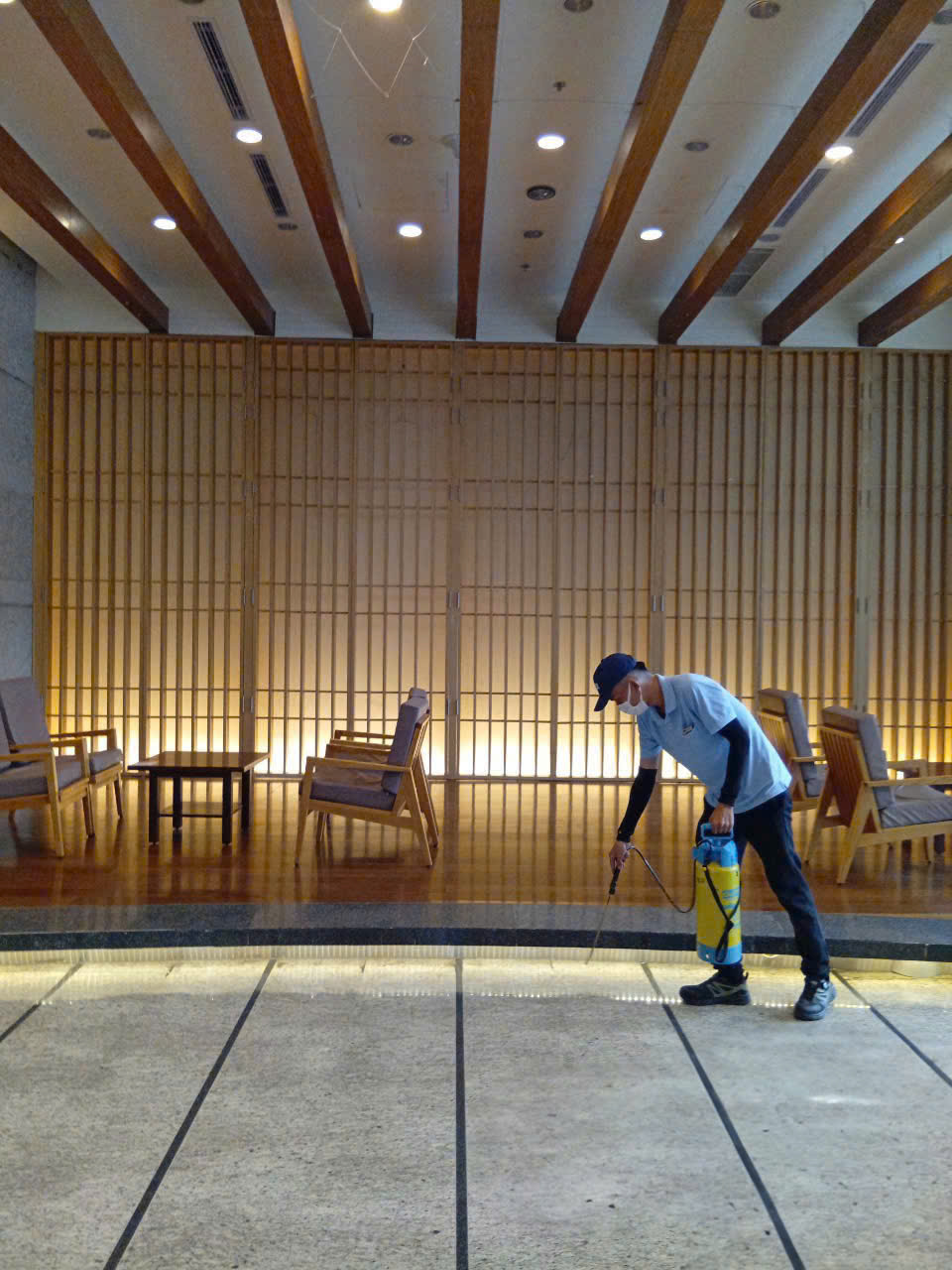
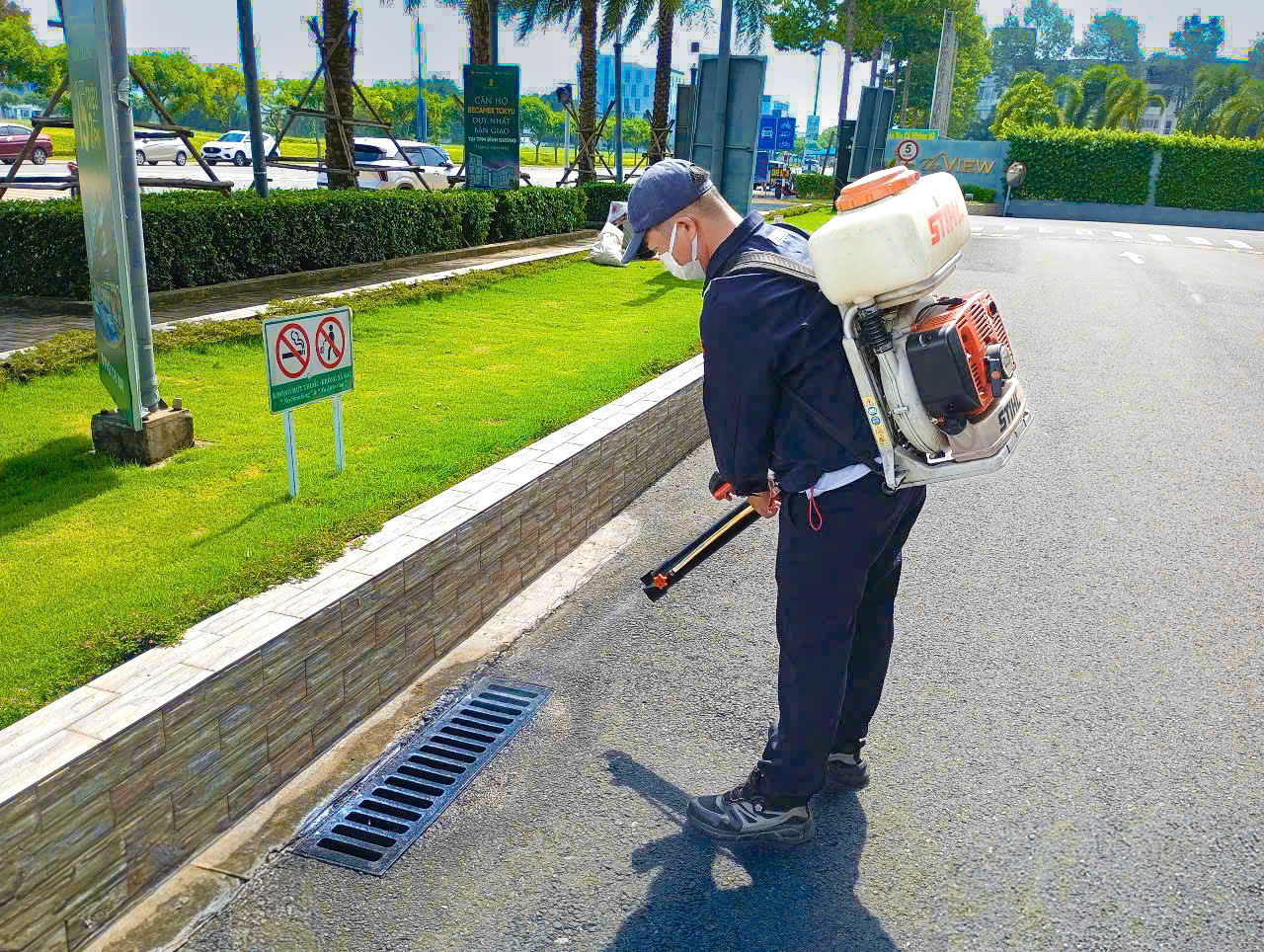
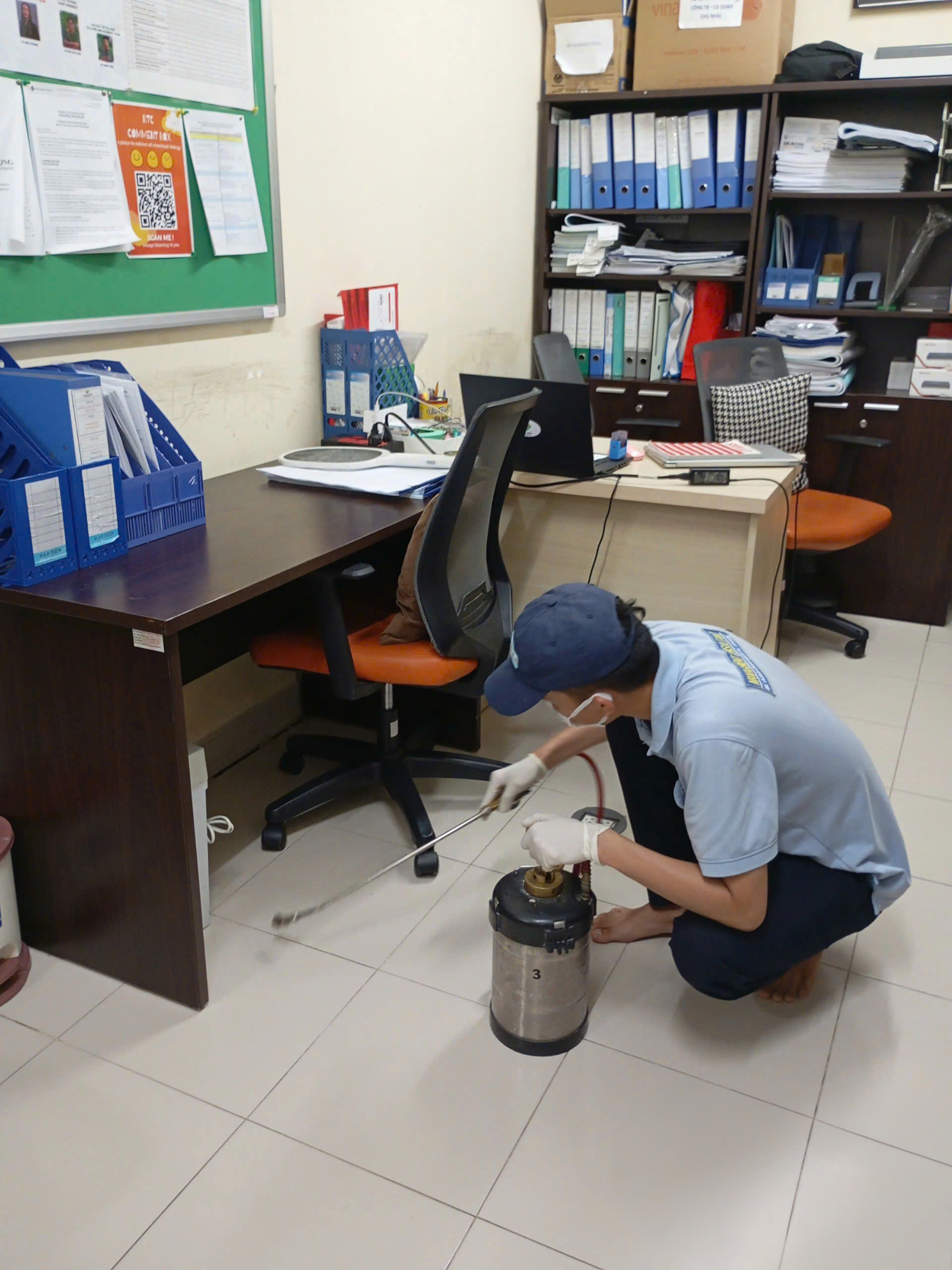
Combine appropriate techniques such as residual spraying, space treatment, misting, and baiting, depending on pest species and affected areas.
-
Use chemicals only when pest populations exceed threshold levels and other methods prove ineffective.
-
Rotate active ingredients to prevent resistance, prioritizing natural-origin and environmentally friendly products that are safe for humans.
QUEST VIETNAM’S INTEGRATED PEST MANAGEMENT PROCESS
✅ Step 1: Site Inspection & Environmental Analysis
- Conduct comprehensive inspections of factories, warehouses, and production lines.
- Identify risk points and root causes of pest infestations.
✅ Step 2: Pest Monitoring System Setup
- Install crawling insect traps and insect light traps at strategic positions.
- Collect and analyze data periodically to track pest activity trends.
✅ Step 3: Integrated Control Planning
- Develop customized control plans for each area and production type.
- Flexibly combine mechanical, biological, and chemical methods for optimal results.
✅ Step 4: Staff Training
- Conduct training sessions on environmental sanitation, pest control procedures, and emergency handling.
- Improve employee awareness and empower them to manage pest risks on-site.
✅ Step 5: Monitoring, Reporting & Continuous Improvement
- Provide regular monitoring reports with transparent data.
- Analyze findings and implement ongoing improvements based on real-world data.
- Respond swiftly to any unexpected pest incidents.
WHY CLIENTS CHOOSE QUEST VIETNAM
🌏 Over 50 years of international expertise from Japan – a country renowned for its rigorous pest control standards.
🧑🔬 Japanese experts directly involved in inspection, evaluation, and solution design.
💼 Professional technicians, regularly trained in technology, safety, and international standards.
📊 Strict procedures – transparent reporting – prompt actions, ensuring measurable and sustainable results.
🛠 Flexible solutions tailored to each industry: food, pharmaceuticals, electronics, logistics, and manufacturing.
